What is Eel?
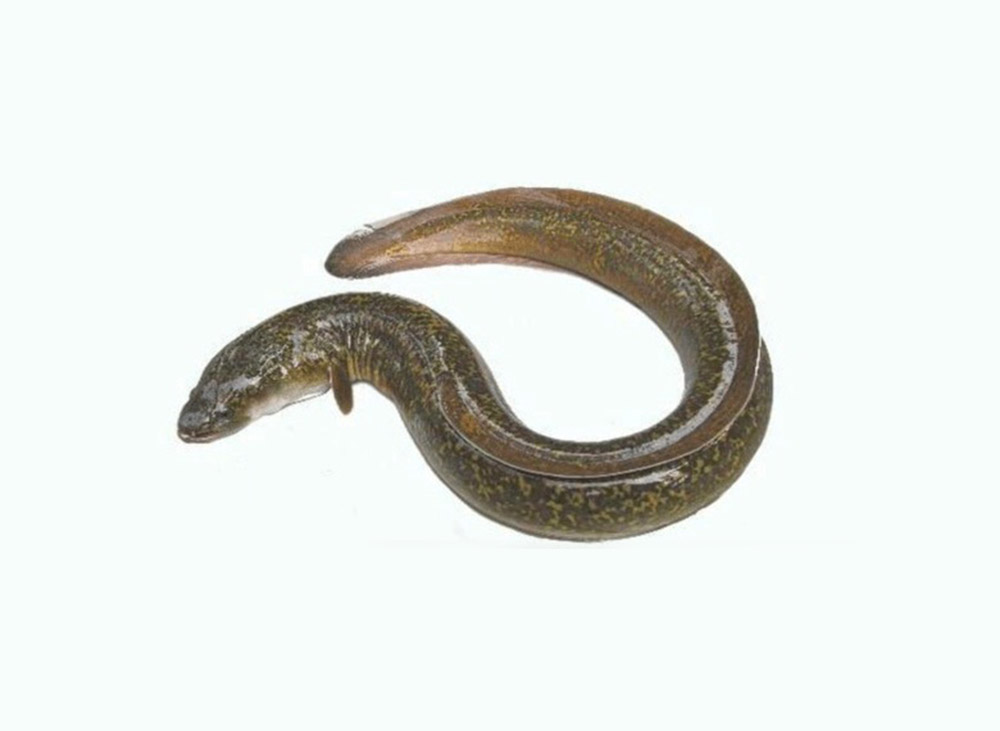
Eels are elongated, snake-like fish belonging to the order Anguilliformes, known for their smooth, slippery bodies and remarkable ability to thrive in both freshwater and marine environments. Unlike most fish, eels lack visible scales on the surface and possess a continuous fin running along much of their body, giving them their distinctive serpentine swimming motion. They are highly adaptable creatures, often found in rivers, lagoons, estuaries, and coastal waters across Sri Lanka.
Key Characteristics and Facts:
- Appearance & Species: Eels typically have a long, cylindrical body with smooth, mucus-covered skin that ranges from olive-brown to dark grey, allowing them to blend seamlessly into muddy riverbeds and lagoon floors. Common types found in Sri Lankan waters include freshwater eels and marine eels.
- Biology: Eels possess a unique respiratory system that allows them to survive for extended periods out of water, and they are capable of absorbing oxygen through their skin in addition to their gills.
- Diet: Eels are nocturnal predators, feeding primarily on small fish, crustaceans, worms, and other aquatic organisms found along riverbeds and lagoon floors.
- Habitat: Eels prefer muddy or sandy bottoms in slow-moving rivers, lagoons, and estuarine waters, where they burrow and hide during the day, becoming active hunters at night.
- Culinary Value: Known for their rich, firm texture and distinctive flavour, eels are highly prized in many global cuisines, particularly in East Asian culinary traditions where they are grilled, smoked, or simmered in savoury glazes.
Migration: Many eel species undertake extraordinary migratory journeys between freshwater and marine environments during different stages of their life cycle, travelling vast distances across oceans to spawn.
Historically, eels have been considered a delicacy in numerous cultures, valued for their distinct taste and the unique preparation methods they allow for.
Life Cycle of Eel
The life cycle of an eel is one of the most remarkable journeys in the aquatic world, involving dramatic transformations and extensive migrations between freshwater and marine environments.
Stages of the Eel Life Cycle
Egg Stage
- Eels spawn in deep ocean waters, releasing thousands of eggs that hatch into tiny, transparent larvae.
Larval Stage
- The larvae, known as "leptocephalus," drift with ocean currents for extended periods, gradually transforming in shape as they are carried towards coastal regions.
Glass Eel Stage
- Upon reaching coastal waters, the larvae transform into "glass eels" — small, transparent, eel-shaped juveniles that begin migrating into estuaries, lagoons, and rivers.
Yellow Eel Stage
- As glass eels mature, they develop pigmentation and become "yellow eels," spending several years growing in freshwater or brackish lagoon environments while feeding actively.
Silver Eel Stage (Adult)
- Mature eels develop a silvery colouration and undergo physiological changes preparing them for their long migratory journey back to the ocean to spawn, completing their remarkable life cycle.
Growth and Adaptability
Eels are exceptionally hardy and adaptable creatures, capable of surviving in environments with low oxygen levels and tolerating a wide range of water salinity. This adaptability allows them to thrive across Sri Lanka's diverse aquatic landscapes — from freshwater rivers and inland tanks to brackish lagoons and coastal estuaries.
Throughout their lives, eels face numerous natural predators including larger fish, birds, and other aquatic predators, particularly during their vulnerable larval and glass eel stages. To survive, eels rely on their secretive, nocturnal nature and their ability to burrow into muddy or sandy substrates for protection.
The Nutritional Powerhouse: Why Eel is a Healthy Seafood Choice
Eel is a rich source of high-quality protein and essential nutrients, making it a valuable addition to a balanced diet. A standard serving of eel provides a substantial amount of lean protein, supporting muscle growth and repair, while also delivering a significant dose of omega-3 fatty acids, which are known to support heart and brain health.
Eel is particularly rich in vitamin A, essential for healthy vision and immune function, as well as vitamin B12, which plays a critical role in nerve health and energy metabolism. It also contains notable levels of vitamin D, calcium, and phosphorus, contributing to strong bones and overall skeletal health. Despite its rich, satisfying flavour, eel remains a nutritious seafood option that fits well within a health-conscious diet when consumed as part of a varied meal plan.
Culinary Classics: Popular and Delicious Ways to Prepare Eel
Eel can be prepared through a variety of cooking methods, each bringing out a different dimension of its rich, distinctive flavour. Grilling is one of the most popular preparation methods, often involving a glossy, savoury glaze that caramelises beautifully over open flame, creating a deeply satisfying smoky char. Smoking is another traditional technique that imparts a deep, robust flavour while preserving the fish for extended periods.
For a comforting, home-style preparation, eel is often simmered in rich curries infused with aromatic spices, allowing the fish to absorb layers of complex flavour while maintaining its naturally firm texture. These cooking techniques form the foundation of beloved dishes such as grilled glazed eel, traditional eel curry, and smoked eel — each showcasing the unique culinary versatility of this remarkable fish.