An Introduction to Mud Crab
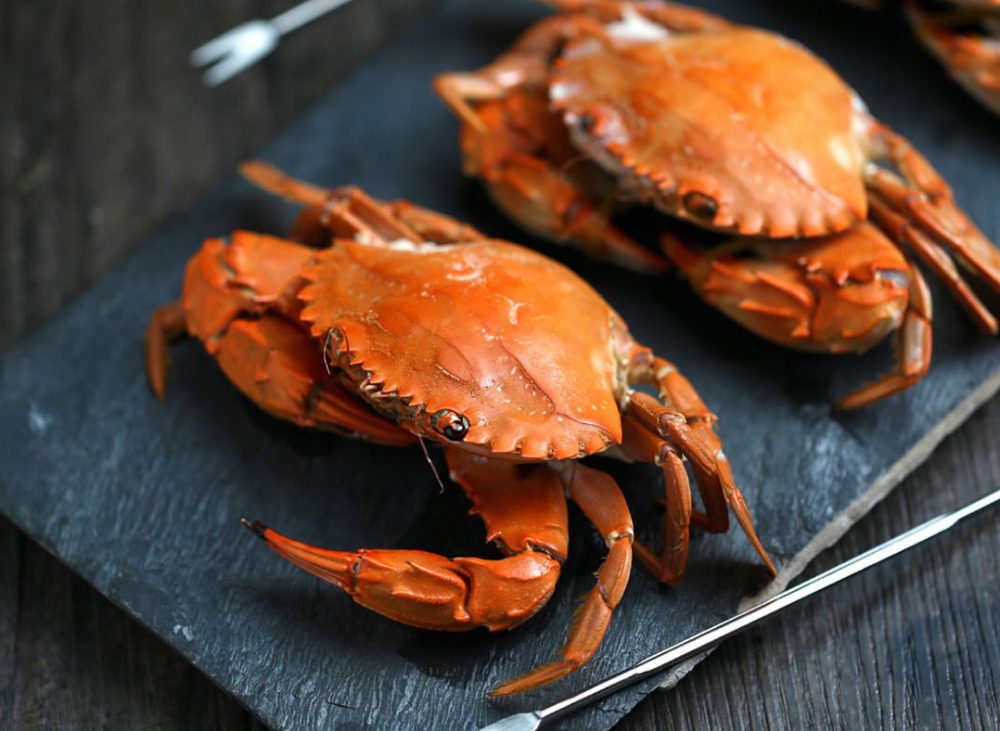
A mud crab is a large, commercially valuable crustacean that lives in coastal environments where the land meets the sea, particularly in muddy, brackish waters such as lagoons, estuaries, and mangrove forests. The most well-known and widely traded species is Scylla serrata, often referred to as the giant mud crab or mangrove crab. These crabs are specially adapted to survive in environments where salinity changes frequently, meaning they can tolerate both seawater and freshwater conditions. Because of this adaptability, they are commonly found in places like the Negombo lagoon and other coastal regions across Sri Lanka and the Indo-Pacific.
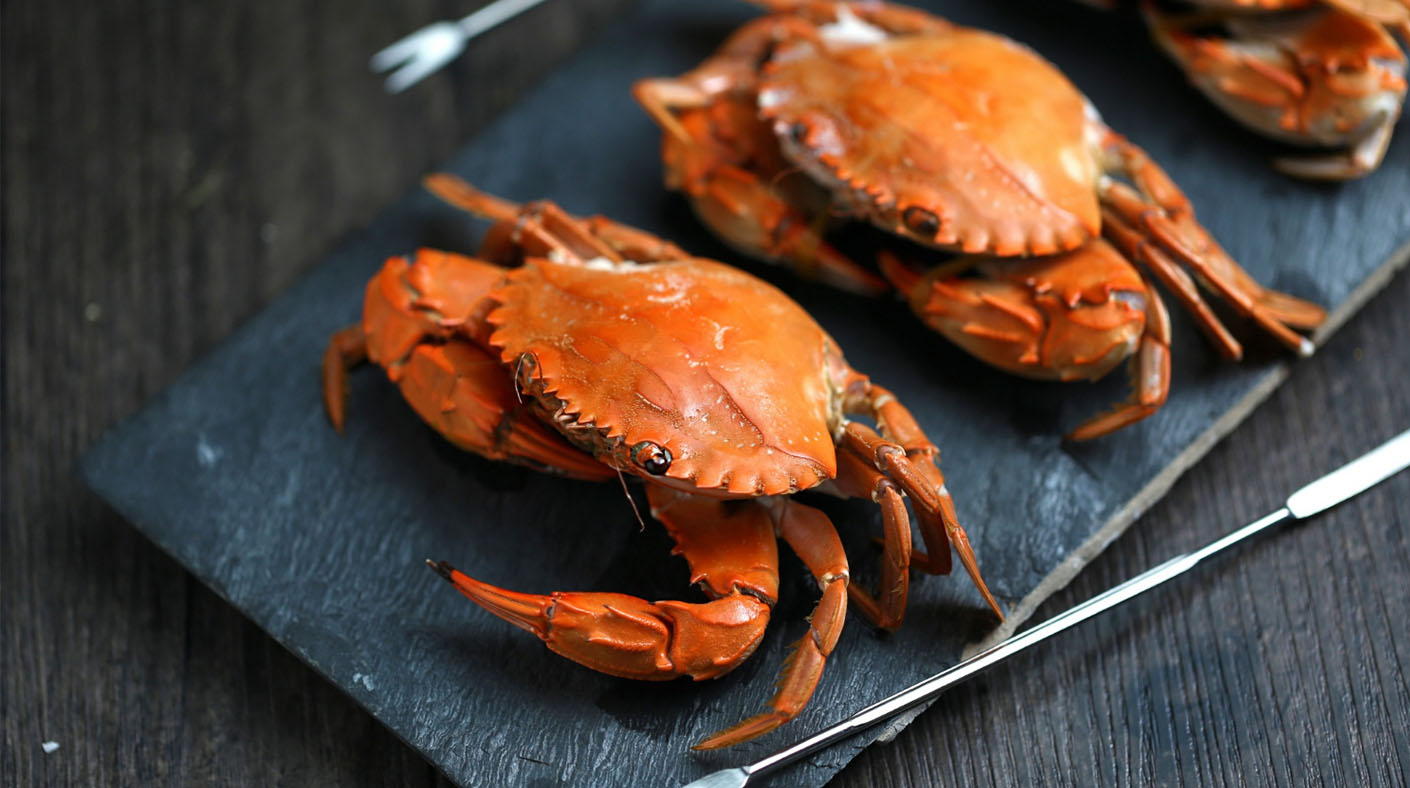
Physically, mud crabs are easily recognized by their broad, hard shell (called a carapace), strong walking legs, and very powerful claws. One of their claws is often slightly larger than the other and is used for defense and feeding. Their shell color typically ranges from dark green to brown, helping them blend into muddy surroundings for protection. These crabs can grow quite large compared to other crab species, with some individuals reaching weights of over 2 kilograms under natural conditions. Their strength and aggressive nature make them both impressive and somewhat dangerous to handle, which is why in seafood markets their claws are usually tied.
From a biological standpoint, mud crabs are carnivorous and opportunistic feeders. They eat a wide variety of food, including small fish, mollusks, dead animals, and organic matter found in the mud. This feeding behavior not only helps them grow quickly but also plays an important role in maintaining the ecological balance of mangrove ecosystems. They are mostly active at night and tend to hide in burrows during the day, which they dig into soft mud for protection against predators and environmental stress. Mud crabs are extremely important economically, especially in countries like Sri Lanka, because they are considered a premium seafood product. Their meat is highly valued for its sweet flavor, firm texture, and richness, making it popular in both local cuisine and international markets. High-end restaurants, hotels, and export buyers are always in demand for large, live mud crabs, which fetch significantly higher prices than many other types of seafood.
This strong demand, combined with their relatively fast growth rate and suitability for farming, has made mud crab harvesting and aquaculture a profitable business opportunity. In simple terms, a mud crab is not just another crab, it is a high-value seafood species that lives in muddy coastal waters, known for its size, strength, taste, and strong market demand. It plays a key role both in natural ecosystems and in the seafood industry, making it one of the most important crustaceans for fishing and aquaculture in tropical regions.
Technology Used by Tropical Shellfish for Handling Mud Crabs
Tropical Shellfish uses modern seafood handling technology and professional aquaculture practices to maintain the quality, freshness, and survival rate of mud crabs throughout harvesting, storage, and transportation. Since mud crabs are highly sensitive to environmental conditions, advanced handling systems are essential to reduce stress, prevent mortality, and preserve their premium market value.
One of the key technologies used is live holding tank systems. These tanks are designed to simulate the crab’s natural brackish-water environment by controlling water quality, salinity, temperature, and oxygen levels. Continuous water circulation and filtration systems help maintain clean and stable conditions, allowing the crabs to remain healthy and active before distribution or export.
Aeration technology is also an important part of the handling process. Air pumps and oxygen supply systems are used to maintain dissolved oxygen levels in tanks and transport containers. Proper oxygenation reduces stress and improves the survival rate of live mud crabs during storage and long-distance transportation.
To maintain freshness and prevent dehydration, Tropical Shellfish uses temperature-controlled storage and cold-chain management systems. Live crabs are kept under carefully monitored cooling conditions that slow down their metabolism without harming them. This helps preserve meat quality, shell condition, and overall freshness until the crabs reach customers.
The company also uses grading and sorting systems to separate mud crabs according to size, shell hardness, weight, and quality. This process ensures consistency in supply and helps meet the specific requirements of hotels, restaurants, seafood markets, and export buyers.
For hygiene and food safety, Tropical Shellfish follows modern seafood sanitation practices. Handling areas, storage equipment, and transportation containers are regularly cleaned and disinfected to maintain international seafood quality standards. Hygienic handling reduces contamination risks and helps maintain the premium quality expected in export markets.
In transportation, specialized live seafood packaging technology is used to protect the crabs during delivery. Crabs are carefully secured, packed with moisture-retaining materials, and placed in ventilated containers designed to maintain stable environmental conditions during transit. This technology minimizes physical damage and increases survival rates for live seafood exports.
Through the use of advanced aquaculture systems, water-quality management technology, cold-chain logistics, and hygienic seafood handling methods, Tropical Shellfish ensures that its mud crabs remain fresh, healthy, and export-quality from harvest to final delivery.
Why Choose Tropical Shellfish for Mud Crabs
Tropical Shellfish is committed to delivering premium-quality mud crabs with a strong focus on freshness, sustainability, and customer satisfaction. With access to rich coastal resources and extensive experience in seafood handling, the company provides carefully selected mud crabs that meet the highest standards required by restaurants, hotels, seafood distributors, and export markets.
One of the main reasons to choose Tropical Shellfish is its commitment to quality. Every mud crab is carefully inspected for size, shell hardness, freshness, and overall condition before being supplied to customers. Only healthy, premium-grade crabs are selected to ensure excellent meat quality, flavor, and presentation.
The company also follows professional seafood handling and cold-chain management practices to maintain freshness from harvest to delivery. Modern holding systems, temperature-controlled storage, and hygienic processing methods help preserve the natural taste and texture of the crabs while minimizing stress and product damage.
Tropical Shellfish places strong importance on sustainability and responsible sourcing. Mud crabs are collected and managed using environmentally conscious practices that help protect coastal ecosystems and support the long-term sustainability of marine resources. This ensures a reliable and ethical seafood supply for future generations.
Another advantage is the company’s ability to provide customized supply solutions based on customer requirements. Whether clients require live mud crabs, chilled products, bulk orders, or export-grade seafood, Tropical Shellfish maintains consistent quality and reliable delivery standards.
With a focus on professionalism, advanced seafood handling technology, and premium customer service, Tropical Shellfish has built a reputation as a trusted seafood supplier in both local and international markets. By choosing Tropical Shellfish, customers receive high-quality mud crabs that combine freshness, safety, excellent taste, and dependable supply standards.