- Got Questions?
Frequently Asked Questions About Tropical Shellfish and Our Seafood
01What is Tropical Shellfish Pvt Ltd and what do we do?
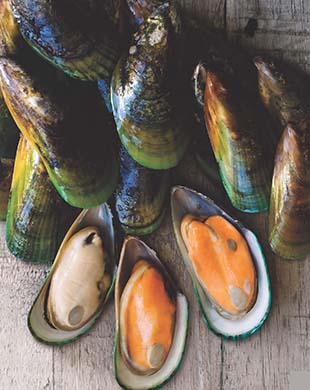
Tropical Shellfish is a company engaged in production and export of high end seafood products such as Sri Lankan Mud crabs, Giant fresh water prawns, lobsters, oysters green mussels and clams
02Where is Tropical Shellfish located?
Pamunugama, Sri lanka, 5 minutes of the Katunayake Ja ela highway exist.
03How many years has Tropical Shellfish been in the seafood industry?
We are in the Seafood business since 2015
04What makes Tropical Shellfish different from other seafood suppliers in Sri Lanka?
Seafood traded in sustainably produced ensuring year round supply, consistency in quality and quantity.
05What types of seafood products does Tropical Shellfish supply?
Tropical Shellfish supplies all types of Seafood products from Shellfish types to all types of whole fish. Tropical Shellfish supplies seafood in all three forms, live, fresh and frozen. Tropical Shellfish is ready to serve any custom seafood requirements made by customers as well.
06Is Tropical Shellfish a licensed and certified seafood company?
TSF is registered under the Companies Act in Sri Lanka as Pvt Ltd company. It holds necessary licences for different seafood products from the relevant authorities in Sri Lanka
07What is shellfish depuration and why is it important?
Depuration is the process of holding live shellfish in tanks of cleaned,controlled seawater to allow them to naturally purge sand,silt and microbiological contaminants from their systems. It is important because shellfish are filter feeders and can accumulate bacteria and impurities from their natural environment.
08What is cryogenic freezing and how does it work?
Cryogenic freezing is an ultra-fast freezing method that uses extremely cold gases, typically liquid nitrogen or CO₂, to freeze seafood almost instantly. The rapid temperature drop forms very small ice crystals within the product’s tissue, rather than the larger crystals formed in slow freezing.
09How does cryogenic freezing preserve the quality of seafood?
Because ice crystals form quickly and stay small, they cause minimal damage to the muscle and cell structure of the seafood. This means less moisture loss (drip loss) upon thawing, and better retention of natural texture, flavor, and nutritional value compared to conventional freezing.
10What is the difference between Fresh and CryoFresh products?
Fresh products are never frozen and are kept chilled for short-term distribution, typically used soon after processing. CryoFresh products are cryogenically frozen shortly after processing, locking in near-fresh quality and texture while extending shelf life for export or longer storage.
11What is the shelf life of Fresh versus CryoFresh seafood products?
Our Fresh seafood products are shipped immediately after harvest and, depending on the species and storage conditions, typically have a shelf life of about 4 days under a properly maintained chilled cold chain.
Our CryoFresh range is processed using advanced cryogenic freezing technology, which locks in freshness within minutes of processing. When stored at -18°C or below, CryoFresh products can maintain premium quality for up to 24 months, allowing customers to enjoy seafood that retains its natural taste, texture, and nutritional value while significantly reducing waste.
12How does Tropical Shellfish ensure the freshness of its seafood?
Freshness begins at the source. We work directly with fishing communities and harvesters, allowing seafood to move quickly from the point of harvest into our controlled processing chain.
Our quality process includes:
- Careful selection of healthy, premium-quality seafood.
- Rapid chilling immediately after harvest.
- Strict temperature-controlled handling throughout processing and transport.
- Hygienic processing under internationally accepted food safety procedures.
- Cryogenic freezing for selected products to preserve peak freshness.
- Complete traceability from harvest to customer.
This integrated approach minimizes handling time and ensures customers receive seafood at its highest possible quality.
13What sustainable practices does Tropical Shellfish follow?
Sustainability is one of the core values of Tropical Shellfish.
Our initiatives include:
- Responsible sourcing from regulated fisheries and aquaculture.
- Working directly with fishing communities to improve sustainable harvesting.
- Supporting natural stock enhancement programs where possible.
- Reducing post-harvest losses through improved handling and logistics.
- Utilizing CryoFresh technology to reduce food waste and maximize resource utilization.
- Promoting environmentally responsible seafood production while protecting marine and freshwater ecosystems for future generations.
We believe long-term sustainability benefits our customers, coastal and reservoir communities, and the environment alike.
14Does Tropical Shellfish support local fishing communities?
Yes. Supporting coastal and reservoir communities is a fundamental part of our business model.
We work directly with local fishermen by:
- Purchasing catches without unnecessary middlemen.
- Offering fair and transparent pricing.
- Providing prompt cash payments where possible.
- Assisting with improved post-harvest handling techniques.
- Creating reliable market access for their harvests.
- Developing long-term partnerships that improve livelihoods while encouraging responsible fishing practices.
This approach strengthens both community resilience and the consistency of our seafood supply.
15What quality certifications does Tropical Shellfish hold?
Tropical Shellfish is committed to meeting internationally recognized quality standards.
Our processing facilities are designed and operated in accordance with internationally accepted food safety systems, including HACCP principles and Good Manufacturing Practices (GMP).
16What food safety standards does Tropical Shellfish comply with?
Our processing facilities operate in accordance with internationally accepted food safety systems, including HACCP (Hazard Analysis and Critical Control Points), Good Manufacturing Practices (GMP), and Good Hygiene Practices (GHP).
Our Quality Management System focuses on:
- Full traceability from harvest to final delivery.
- Strict hygiene, sanitation, and cleaning procedures.
- Temperature-controlled cold chain management.
- Consistent quality assurance and regular product inspections.
- Continuous monitoring and process improvement.
- Compliance with customer, regulatory, and export market requirements.
As our operations continue to grow, we are actively working towards internationally recognized certifications such as ISO 22000, BRCGS (Brand Reputation Compliance Global Standards), and IFS (International Featured Standards) to further strengthen our commitment to food safety and quality.
These systems ensure that every Tropical Shellfish product is processed, handled, and delivered to the highest standards of safety, quality, consistency, and reliability expected by customers around the world.
17Does Tropical Shellfish supply both wild caught and sustainably sourced seafood?
Yes. Tropical Shellfish supplies both wild-caught and responsibly sourced seafood from Sri Lanka. We work closely with local fishing communities and trusted aquaculture producers to ensure premium quality, full traceability, and sustainable harvesting practices.
18What is the difference between wild caught and farmed seafood?
Wild-caught seafood is harvested from its natural habitat, such as the ocean, lagoons, or rivers, and is valued for its natural diet and seasonal availability.
Farmed seafood is raised in controlled aquaculture environments, allowing for consistent quality, reliable supply, and year-round availability.
Both can offer excellent quality when responsibly sourced and handled under strict food safety standards.
19What awards has Tropical Shellfish received?
Tropical Shellfish has been recognized for its innovation and contribution to Sri Lanka’s seafood industry. We were awarded “Most Innovative Shellfish Farming and Export Company – Sri Lanka” at the Asia Business Awards in 2025 and have also received recognition from the National Aquatic Resources Development Authority (NAQDA) for our contribution to the development of Sri Lanka’s inland fisheries sector in 2018.
20Does Tropical Shellfish have live holding facilities for shellfish?
Yes it has. TSF operates live collecting, holding and transport facilities from key collecting areas around Sri Lanka.
21What live holding technology does Tropical Shellfish use?
Tropical Shellfish uses both Flow-Through and Recirculating Aquaculture System (RAS) technologies with biological filtration. The most suitable system is selected for each species to maintain optimal water quality, animal health, and product freshness.
22How are mud crabs handled and stored before delivery?
Mud crabs are carefully sorted, disinfected, and acclimated before being transferred into our vertical live holding systems. Each crab is individually traceable, and our interactive inventory management system provides customers with real-time visibility of available stock, ensuring consistent quality and reliable supply.
23What packaging types does Tropical Shellfish use for its products?
Tropical Shellfish primarily uses insulated polystyrene (Styrofoam) boxes to maintain product temperature and quality during transport. Packaging is customized to each customer’s requirements and includes proper labeling to meet export and regulatory standards.
24How can I contact Tropical Shellfish for general inquiries?
You can contact our team via WhatsApp at +94 77 107 3030 or email us at sales@tropicalshellfish.com. We’ll be happy to assist you with product information, pricing, and export inquiries.
Still Looking for Answers or Need to Send an Inquiry?
Our friendly team is always ready to assist you with any seafood related inquiries.